In today's digital age, organizations are increasingly relying on Artificial Intelligence (AI) to streamline operations, enhance decision-making processes, and improve overall efficiency. The rapid advancement of AI technology has ushered in a new era of innovation and productivity. However, with these advancements come new risks and challenges that organizations must confront, especially in terms of data breaches caused by AI.
Data breaches have long been a concern for organizations, as they can lead to severe financial, legal, and reputational consequences. The advent of AI introduces a new dimension to this threat landscape, as AI systems often handle vast amounts of sensitive data and make autonomous decisions. The interplay between AI and data security has given rise to complex security issues that require careful attention and robust safeguards.
Real-life examples of data breaches caused by AI highlight the pressing need for organizations to address these risks head-on. By exploring these examples, we gain valuable insights into the potential vulnerabilities and security implications associated with AI-driven systems.
Furthermore, the enhancement of AI technology itself can contribute to the complexity of security issues. AI algorithms are designed to learn, adapt, and optimize their performance based on vast amounts of data. While this capability enables AI systems to make accurate predictions and drive efficiency, it also opens the door to potential exploitation and manipulation. Adversarial attacks, where malicious actors deliberately manipulate AI systems, highlight the security challenges inherent in AI's learning and decision-making capabilities.
Additionally, the reliance on AI-driven automation and decision-making poses unique security risks. AI algorithms, although powerful and efficient, are not immune to errors or biases. Flaws in AI algorithms can be exploited, leading to unauthorized access, data breaches, or biased outcomes that perpetuate discrimination or unfair practices.
In light of these risks, organizations must recognize the importance of incorporating robust security measures and practices into their AI initiatives. This includes rigorous testing, ongoing monitoring, regular updates, and the implementation of comprehensive security frameworks. Additionally, organizations need to address ethical considerations related to AI, ensuring transparency, fairness, and accountability in AI systems.
In conclusion, the integration of AI technology in organizations brings immense opportunities for growth and efficiency. However, the risks associated with data breaches caused by AI cannot be ignored. By understanding the real-life examples and security challenges discussed in this article, organizations can better equip themselves to navigate the evolving threat landscape and safeguard their valuable data, operations, and reputation in the AI era.
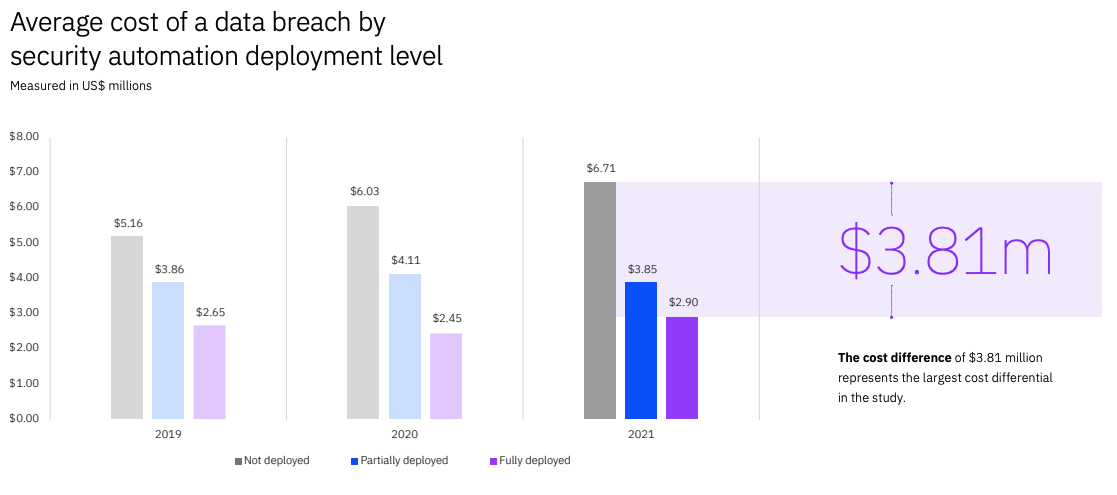
One area where AI has made significant advancements is facial recognition technology. It has been widely adopted by law enforcement agencies, corporations, and even social media platforms. However, in 2019, a high-profile data breach occurred when a leading facial recognition company's database was compromised, exposing millions of users' personal information. Hackers exploited a vulnerability in the AI algorithm, gaining unauthorized access to the database and stealing sensitive data, including facial images, biometric data, and personal details. This breach highlighted the risks of centralized storage of biometric information and the need for robust security measures to protect AI-driven systems.
Adversarial attacks refer to deliberate attempts to manipulate or deceive AI systems by exploiting vulnerabilities in their algorithms. These attacks can lead to severe consequences, particularly in sectors where AI is extensively used, such as finance and healthcare. In 2021, a financial institution experienced a data breach when attackers manipulated an AI-based fraud detection system. By injecting carefully crafted malicious data into the system, they successfully bypassed security measures, resulting in significant financial losses. This incident demonstrated the pressing need to fortify AI systems against adversarial attacks and ensure their resilience to malicious manipulations.
AI-powered chatbots have become prevalent in customer service, providing prompt responses and personalized interactions. However, without proper safeguards, these chatbots can inadvertently divulge sensitive information or fall victim to exploitation. In 2020, a major telecom company's chatbot experienced a data breach, leaking customers' personally identifiable information (PII) due to a flaw in its AI algorithms. Cybercriminals took advantage of this vulnerability, gaining access to customers' names, addresses, and even banking details. This incident underscored the importance of rigorous testing and ongoing monitoring to identify potential AI vulnerabilities before they are exploited by malicious actors.
Security Issues Related to AI:
Vulnerabilities in AI algorithms: AI systems are only as secure as the algorithms that power them. Vulnerabilities in algorithms can be exploited, leading to unauthorized access or manipulation of data.
Lack of explainability: AI models, such as deep neural networks, often operate as black boxes, making it difficult to understand their decision-making process. This lack of explainability raises concerns about bias, privacy violations, and potential backdoors that can be exploited by attackers.
Adversarial attacks: As mentioned earlier, adversarial attacks are becoming increasingly sophisticated, targeting AI systems by exploiting weaknesses in their algorithms. Organizations must invest in robust defenses to counter such attacks effectively.
Data privacy and protection: AI systems heavily rely on vast amounts of data, including sensitive user information. Ensuring adequate data privacy, proper encryption, and secure storage is crucial to prevent unauthorized access or breaches.
Insider threats: AI systems may be vulnerable to exploitation by insiders with privileged access. Employees or contractors with malicious intent can manipulate AI algorithms or gain unauthorized access to sensitive data, leading to significant breaches. Organizations must implement strict access controls, monitoring, and employee education programs to mitigate insider threats.
Data poisoning: AI models heavily rely on training data to make accurate predictions and decisions. However, if the training data is compromised or manipulated, it can lead to biased outcomes or incorrect results. In 2018, an AI chatbot named Tay, developed by Microsoft, was shut down within hours of its launch due to being trained on biased and offensive user-generated content. Organizations must carefully curate and sanitize training data to prevent data poisoning and ensure the integrity of AI systems.
Deepfakes and misinformation: AI technology has enabled the creation of highly convincing deepfake videos and audios, which can deceive individuals and spread misinformation. This poses a significant risk to organizations, as deepfakes can be used to impersonate executives or manipulate public perception. Organizations need to be vigilant in detecting and combating deepfakes, employing AI-based detection tools and educating employees and customers about their existence.
Regulatory compliance: With the increasing adoption of AI, regulatory bodies are paying close attention to data privacy and security. Organizations must ensure compliance with regulations such as the
General Data Protection Regulation (GDPR) and the
California Consumer Privacy Act (CCPA). Failure to adhere to these regulations can result in hefty fines and reputational damage.
Ethical considerations: AI systems have the potential to impact individuals and society at large. Organizations must address ethical considerations surrounding privacy, transparency, fairness, and accountability. The lack of transparency in AI algorithms can lead to biased decisions or reinforce existing societal prejudices. Responsible AI practices, including regular audits, ethical guidelines, and diverse and inclusive training data, should be adopted to mitigate ethical risks.
Continuous monitoring and updates: AI systems are not a one-time implementation but require ongoing monitoring, updates, and patching to address emerging security threats. Organizations should establish processes for regularly assessing AI system vulnerabilities, applying security patches, and staying updated on the latest developments in AI security research.
Conclusion:
As AI continues to advance and become more integrated into organizational processes, the risks of data breaches caused by AI also increase. Organizations must recognize the security issues associated with AI and take proactive measures to protect their systems, data, and reputation. By addressing vulnerabilities, implementing robust security measures, and adhering to ethical and regulatory frameworks, organizations can minimize the dangers posed by AI-driven data breaches and harness the transformative potential of AI technology securely.
#ai #security #databreach


Comments
Post a Comment